Sorting out the fact from fiction: gut health edition!
Entree
We asked you — our loyal, clever, and incredibly good-looking community — to tell us about dietary and lifestyle trends that made you pause and think: is this ✨the✨ thing to follow?
From here, we did what we do best and dove into the murky waters (so you don’t have to) to investigate whether:
Competitive fibre consumption is the next HYROX
Should we all be eating more gummy bears (yes)?
Is Inflammation really a silent killer?
Will baking soda, in fact, save us all?
I don’t want to oversell it, but there is Netflix-worthy tea in here. Buckle up – we’re diving in.
Main Course
Fibremaxxing
If you’ve read our latest blog article, this one probably won’t surprise you. Influencers promoting fibremaxxing are, in many cases, preaching to the converted.
While I am all for increasing your fibre intake, I am not a fan of the ‘maxxing’ language. Especially as the average Australian doesn’t even meet the recommended daily intake of fibre — 30g for males and 25g for females. Considering this, I suggest changing the trend from ‘fibre-maxxing’ to ‘fibre-meeting.’
If you need some practical ideas on how and what fibre to incorporate, I’d suggest heading over to this article I wrote last month.
TL;DR: Friend, not foe (if done right).

Probiotic gummies
Probiotics refer to supplements containing living microorganisms that can have beneficial effects on the body. Gummies are- well- I don’t think I need to explain those.
Sadly, there is very limited research on the effectiveness of probiotics packaged into little gelatinous blobs. They are also generally manufactured using fairly high temperatures, which limits the strains that can survive the process. There is good reason that many of the probiotics in capsule form require refrigeration. This means the number and diversity of what you get is likely lower in gummy form. Capsules also come with a specific coating to protect the microorganisms from the harsh acidic apocalypse in our stomachs, which gummies don’t have.
TL;DR: Above gummy bears pay grade.

Inflammation and anti-inflammatory diets
Inflammation has been publicly named and shamed as the cause of all chronic disease, at least if you believe the media. In reality, inflammation is essential. It’s how our bodies respond to infection and injury.
That said, the dose makes the poison. Chronic, uncontrolled inflammation can be harmful, which is usually when the anti-inflammatory diet enters the chat, often framed as the holy grail of health. The problem? There’s no universal definition of what an anti-inflammatory diet actually is.
You’ll find endless lists of “anti-inflammatory” foods online, but many claims aren’t grounded in strong scientific evidence. What I can say with confidence is that adding one magic food from a list won’t undo everything else going on in your life.
If inflammation is a concern, the biggest impact comes from overall dietary patterns and lifestyle factors. A diet rich in colourful fruits and vegetables, healthy fats, high-quality proteins, and wholegrains remains a solid, evidence-based foundation.
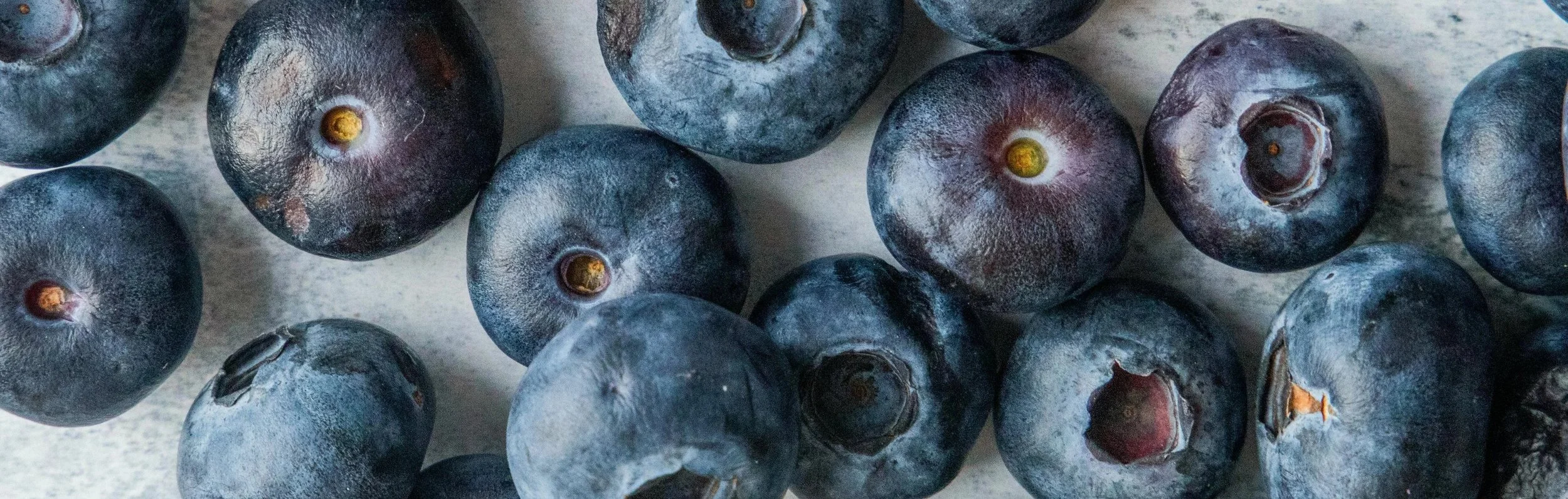
TL;DR: No, eating blueberries will not save you from your otherwise questionable life choices.
Alkaline foods
Alkaline diets gained popularity in the early 2000s, when an American naturopath was in denial about the role of bacteria and viruses in disease, and instead made ‘acidity’ the scapegoat for, well… everything.
Let’s throwback to school chemistry (don’t panic!). The pH measures how acidic or alkaline something is. The stomach, for instance, is highly acidic in order to break down food and kill any harmful bacteria.
Our incredible bodies have a lot of ‘fail-safe’ mechanisms built in to regulate pH ranges. Disrupting these ranges isn’t just unhealthy; it can be fatal. It will take a lot more than a change in food choices to bring your body back into ideal ranges.
Other than unsubstantiated claims to save all of us from our doomed destiny by deacidifying, there are no backup claims on what exactly this refers to. Any benefits reported (anecdotally) from alkaline diets are likely due to the dietary pattern and inclusion of foods that happen to be classified ‘alkaline’, such as fruits, vegetables, beans and more, while avoiding ultra-processed foods, alcohol and sugar.
Also, by the way, that American naturopath was actually convicted of practising medicine without a licence and lured vulnerable patients to the ‘pH Miracle Ranch’ to treat their cancer with baking soda. I can sense a Netflix documentary in the making!
TL;DR: American naturopath lures people to his magic pH Miracle Ranch to heal them with baking soda. Nuff said.

Image from https://aqualovewater.com
The final bite
You see, with a little bit of digging, some of these trends are quickly uncovered as inventive, mystical tales. On the surface, they often just give sufficient information to people to be intrigued and for claims to be believable enough, but not too much to show the gaps and uncertainties. The more people follow a trend, the more legit it appears.
That’s where we come in, at your service, to dig through the crap (TDC style), saving you the bother of popping candy and leaving baking soda in the kitchen where it belongs (or to clean - hot tip).

This article was written by Melanie Bruckberger.
BSc (Biomedical Science)
Master of Human Nutrition
Currently undergoing Certificate III & IV in Fitness
TDC Intern
Whether it’s cellular processes, microorganisms, nutrition or the environment, Mel loves sharing scientific insights in a digestible way (pun intended!) and empowering people to make dietary and lifestyle-informed choices.
Need help with sorting fact from fiction in nutrition and gut health? Book an appointment with our specialist dietitian.